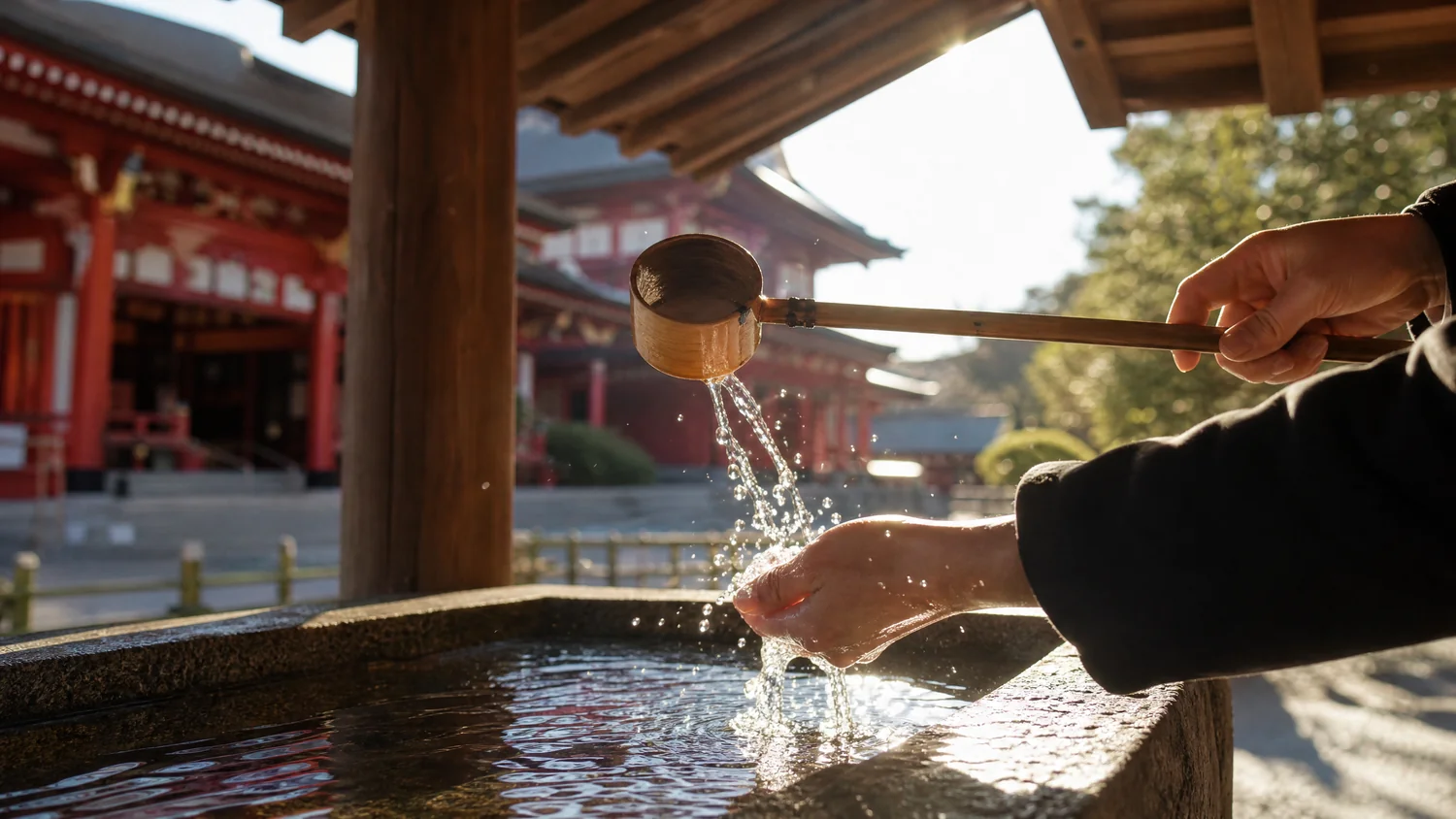
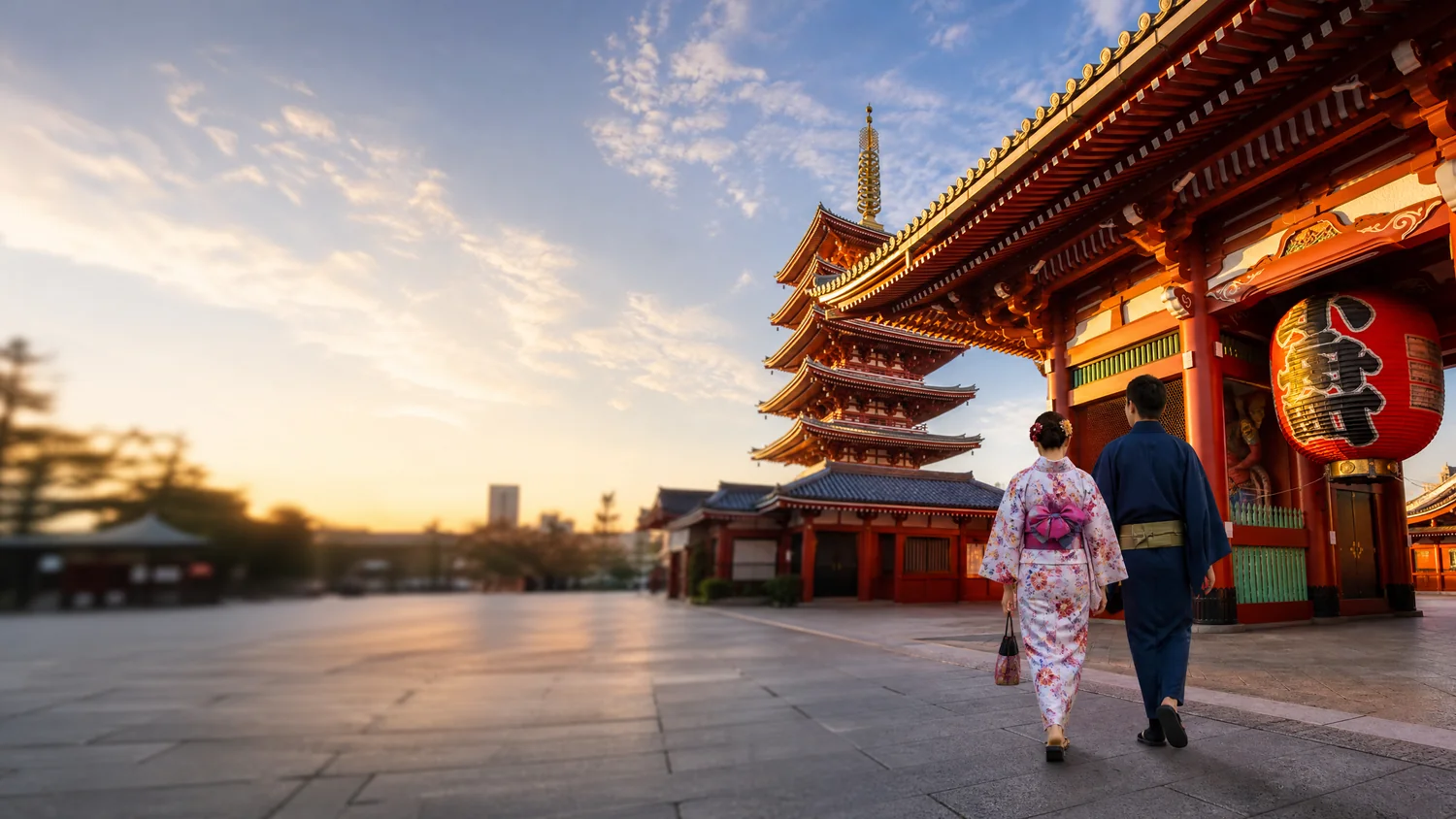
Booking choice: The Senso-ji walking tour, from $30 per person. Check dates Tour details
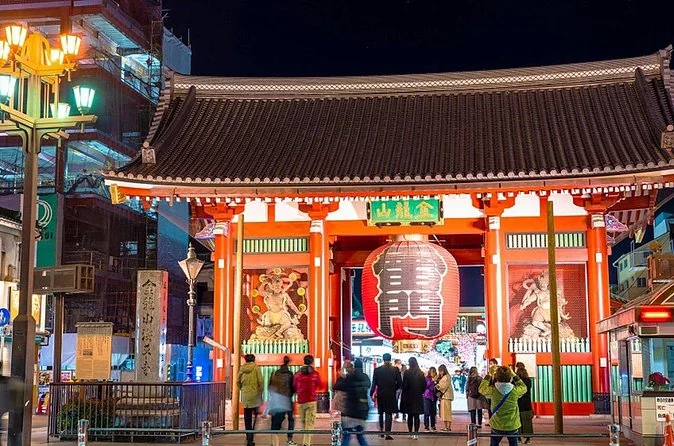
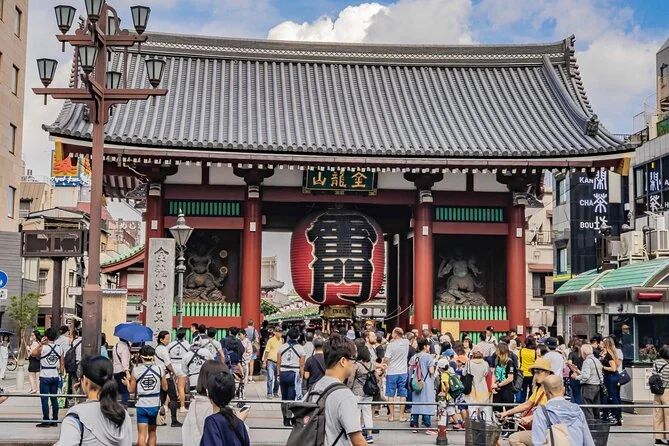
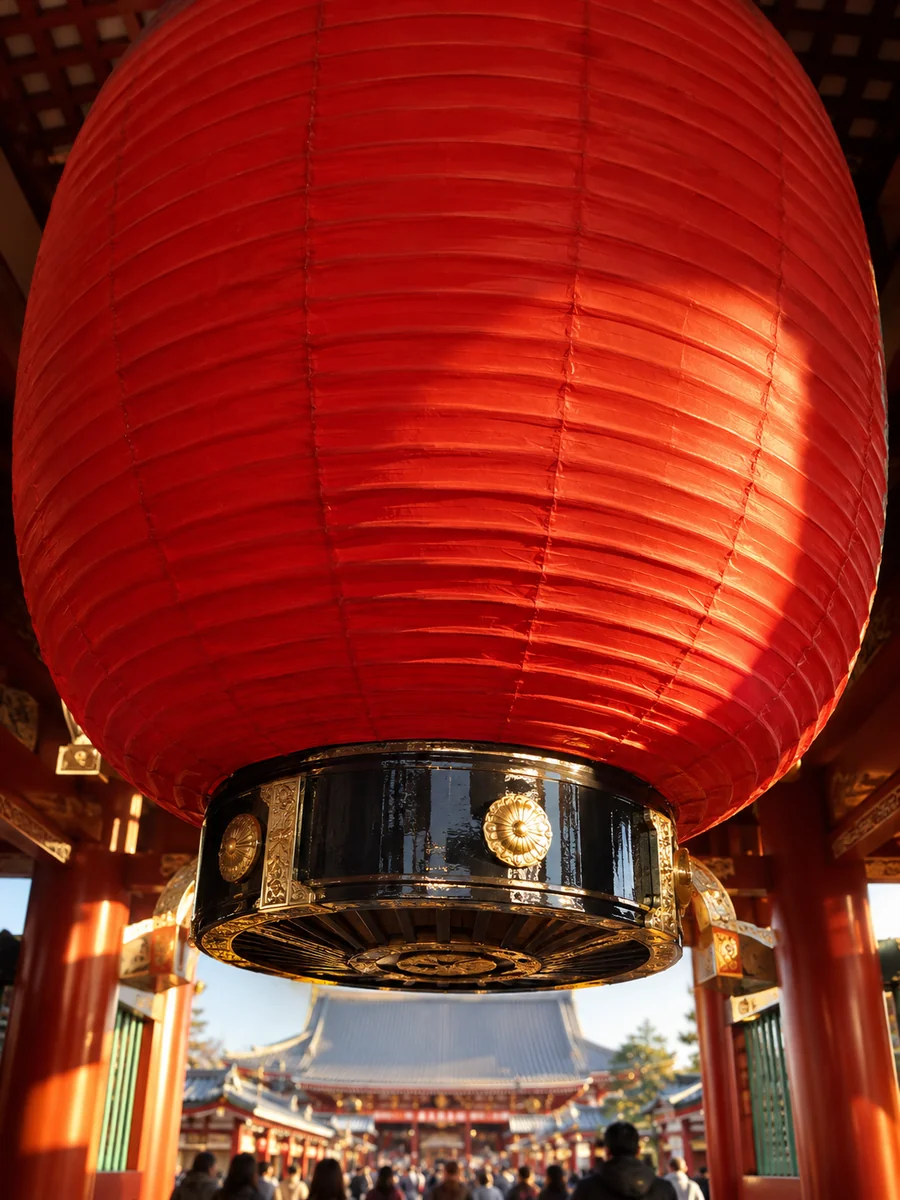
Senso-ji has no ticket office. You walk in under the Kaminarimon lantern, up Nakamise street and into the courtyard of the main hall without paying a yen, at six in the morning or at midnight. About 30 million people a year do exactly that, the temple says.
What changes through the day is what is open and how packed it gets. Here are the real hours, the handful of things that do cost money, and the times when the place is calm.
The quick answer
Senso-ji is free and the grounds are open 24 hours. The main hall opens 6:00 to 17:00, and from October to March it opens at 6:30. The buildings are lit from sunset until about 23:00. Come before 8:00 or after 18:00 on a weekday to miss the crowds, and plan on one to two hours.
Is Senso-ji free to enter?
Yes. There is no entrance fee for the gates, Nakamise street, the courtyard or the main hall, and nobody checks tickets.
Anything sold online "for Senso-ji" buys a guide, a ride, food or a costume, never admission. One Tokyo morning tour on Viator even lists "Entry/Admission - Senso-ji Temple" among its inclusions. That entry is free for everyone, with or without a tour.
The temple asks for nothing at the door. Offerings at the main hall are voluntary: most people drop a coin, often a 5-yen coin, into the large offering box before they pray. How to do it properly is in our etiquette guide.
Free to enter, richer with a guide: two hours from the lantern to Asakusa Shrine in a group of 12 at most.
Check dates for the Senso-ji walking tourWhat are Senso-ji's opening hours?
The main hall is open 6:00 to 17:00 from April to September and 6:30 to 17:00 from October to March. The grounds, gates and Nakamise street never close.
Straight from the temple's own site and the other official pages:
| Place | Hours | Cost |
|---|---|---|
| Main hall (Hondo) | 6:00 to 17:00 (Oct to Mar from 6:30) | Free |
| Grounds, Kaminarimon, Hozomon, pagoda (outside) | 24 hours | Free |
| Night lighting | Sunset to about 23:00 | Free |
| Nakamise shops | Each shop sets its own; most open about 10:00 and close around 17:00 to 18:00 | Free to walk |
| Asakusa Shrine office | Weekdays 9:00 to 16:00, weekends and holidays 9:00 to 16:30 | Grounds open to walk in |
| Asakusa Culture Tourist Information Center | 9:00 to 20:00; 8th-floor terrace until 22:00 | Free |
The hall closes at 17:00 all year, so a winter visit at 16:30 still gets you inside, just barely. Go Tokyo says Nakamise hours "vary by store", which is why we give a range: check on the day if you want to shop.
Can you visit Senso-ji at night?
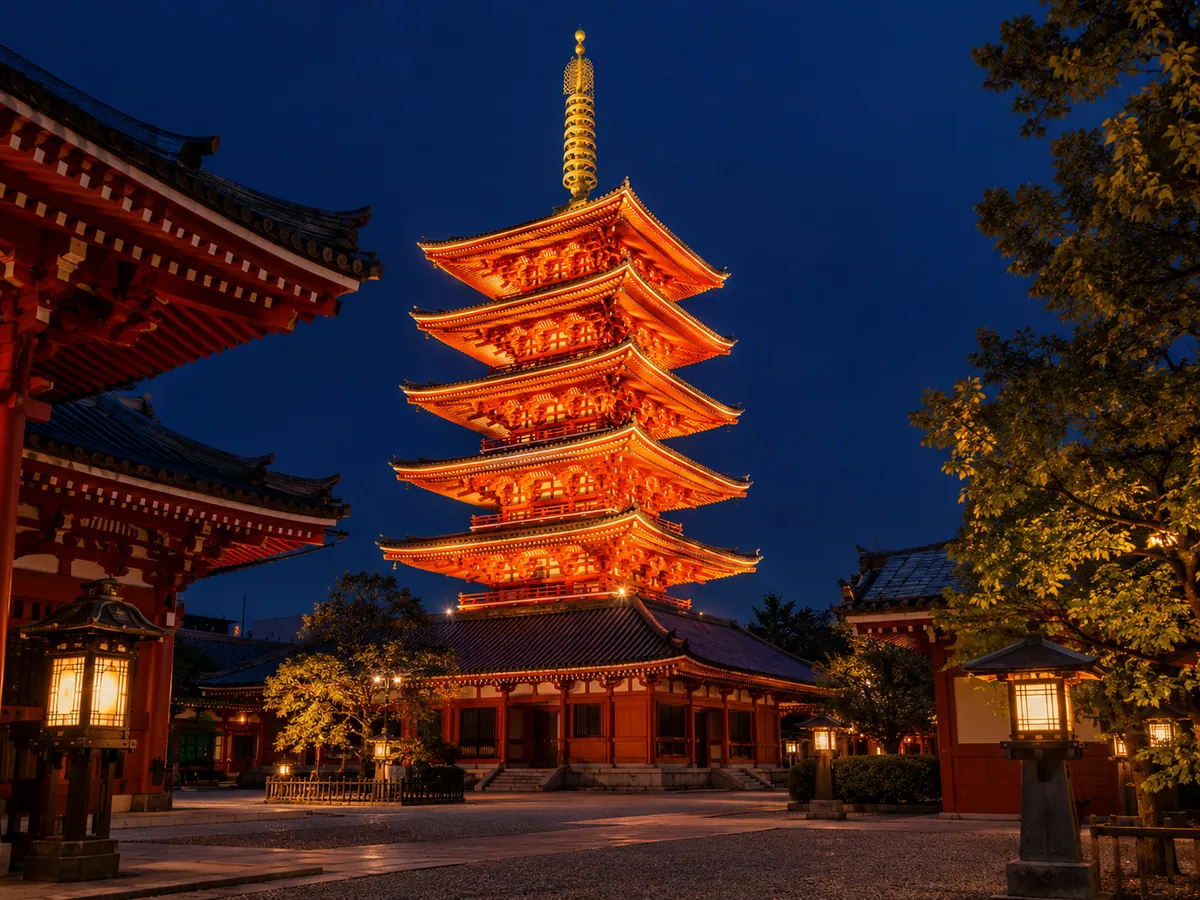
Yes. The grounds stay open all night, and the main hall, Hozomon and the pagoda are lit from sunset until about 23:00.
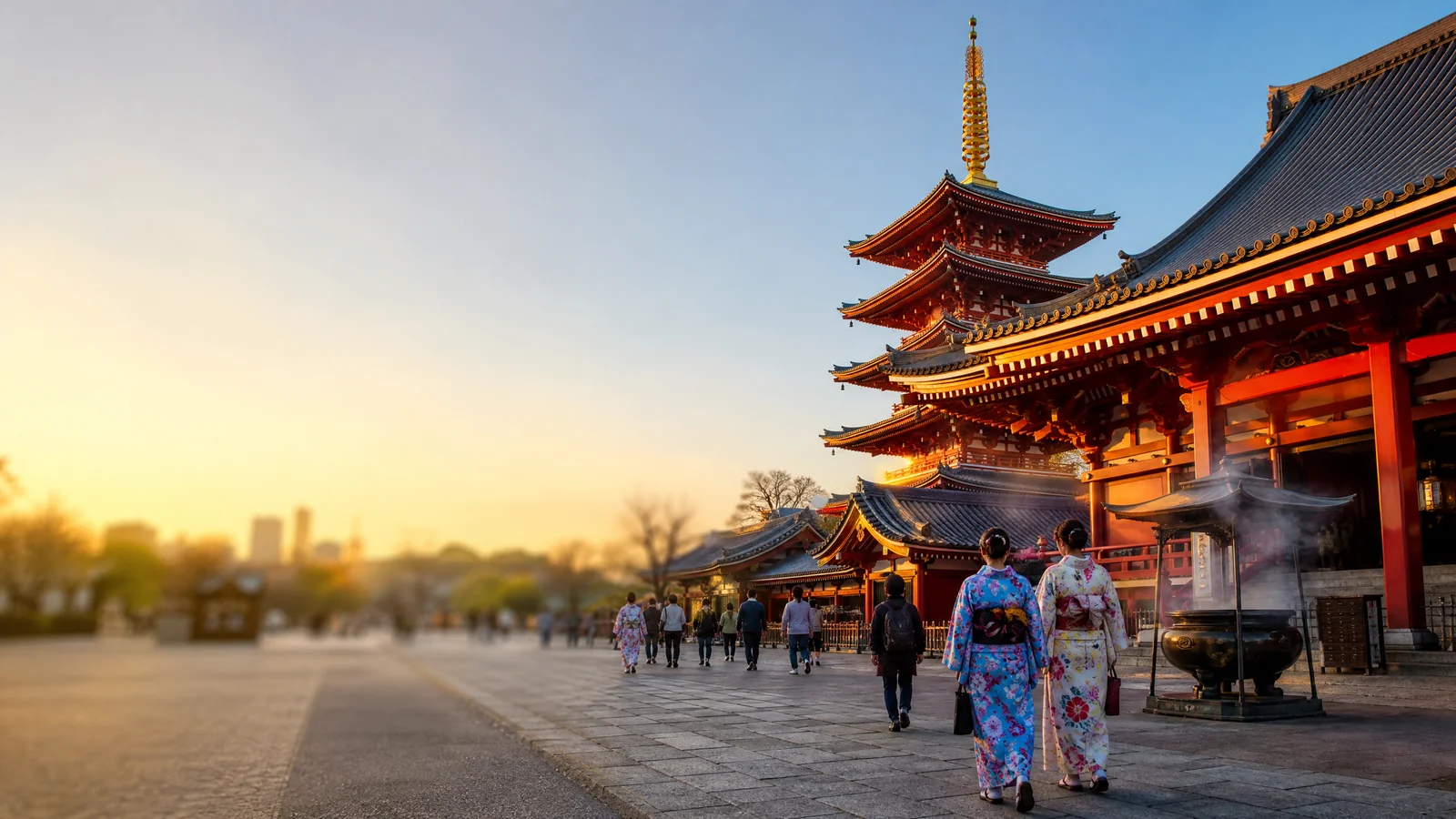
At night the hall doors are shut and you pray from the steps outside. Nakamise's shops pull down their shutters, which shows off the painted murals of old Asakusa on them, a detail Go Tokyo points out. The courtyard empties, and the pagoda glows orange against a dark sky.
It is the best time for photos without a crowd. The omikuji fortunes sit inside the main hall, so draw yours before 17:00.
When is Senso-ji least crowded?
Before 8:00 and after 18:00 on weekdays. Late morning to mid-afternoon on weekends is the crush.
- Quietest: 6:00 to 8:00, when the hall has just opened and Nakamise is still shuttered, and after 18:00.
- Busiest: weekends and holidays from about 11:00 to 15:00.
- Festival peaks: hatsumode, the New Year visits (January 1 to 7 on the temple calendar), draws millions; the Sanja Matsuri filled the streets on May 15 to 17, 2026, busiest on the Sunday.
Most walking tours start in the morning or late afternoon for this reason. For festival and special-opening dates through next year, see the 2026-27 events calendar.
How long do you need at Senso-ji?
One to two hours covers the gate, Nakamise, the main hall, the pagoda and Asakusa Shrine. Add an hour to eat your way through the side streets.
Tours give you a sense of the range. The flagship Senso-ji walking tour spends about 30 minutes inside the temple grounds out of two hours in Asakusa. The Tokyo morning tour gives Senso-ji an hour. The 1-day bus tour gives it 45 minutes, lunch and Nakamise included. Food tours spend 10 to 20 minutes at the temple itself.
If you came for the full picture, two hours is right. Our guided or self-guided comparison has a route you can walk alone.
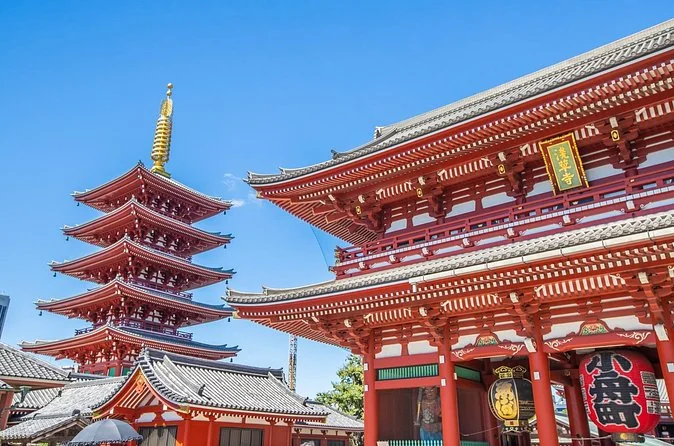
Two hours, small group, 4.9 stars: the lantern, Nakamise, the main hall, Asakusa Shrine and the back streets around Hoppy Street.
Explore the Senso-ji walking tour Tour detailsDoes anything at Senso-ji cost money?
Only the extras: an omikuji fortune is 100 yen, the rare Denboin garden opening costs 2,300 yen in advance in 2026, and the Hanayashiki amusement park next door charges admission.
Here is what you might pay for on a visit, with the source for each price:
| Extra | Price | Note |
|---|---|---|
| Omikuji fortune | 100 yen | Coin in the box, shake the canister; English slips available (JNTO) |
| Denboin garden and Ema-do special viewing | 2,300 yen advance, 2,500 yen on the day; school pupils 800 / 1,000 yen | October 30 to November 3, 2026 only, 9:00 to 21:00 (ticket page) |
| Goshuin (temple seal) | Posted at the counter | At Yogodo hall, west of the main hall (Senso-ji) |
| Asakusa Hanayashiki | 1,600 yen adults, 800 yen ages 5 to 12; rides extra | Japan's oldest amusement park, 10:00 to 18:00, varying by season (official fees) |
| Culture Center terrace | Free | 8th floor, view over Nakamise to the Skytree |
The Denboin garden is normally closed to the public, which is why its few open days sell out. The details for this year's viewing are in our Denboin 2026 post.
How do you get to Senso-ji?
Take the Tokyo Metro Ginza Line, the Toei Asakusa Line or the Tobu Skytree Line to Asakusa Station. Kaminarimon is about 5 minutes on foot.
- Ginza Line: exit 1 puts you a few minutes from Kaminarimon. Ueno is about 5 minutes away on this line.
- Toei Asakusa Line: exit A4, about 3 minutes.
- Tobu Skytree Line: 5 minutes on foot, the temple says; one stop from Tokyo Skytree station.
- Tsukuba Express: its own Asakusa station, about 8 minutes away.
- From Tokyo Station: about 20 minutes by JR Yamanote and Ginza Line, per Go Tokyo.
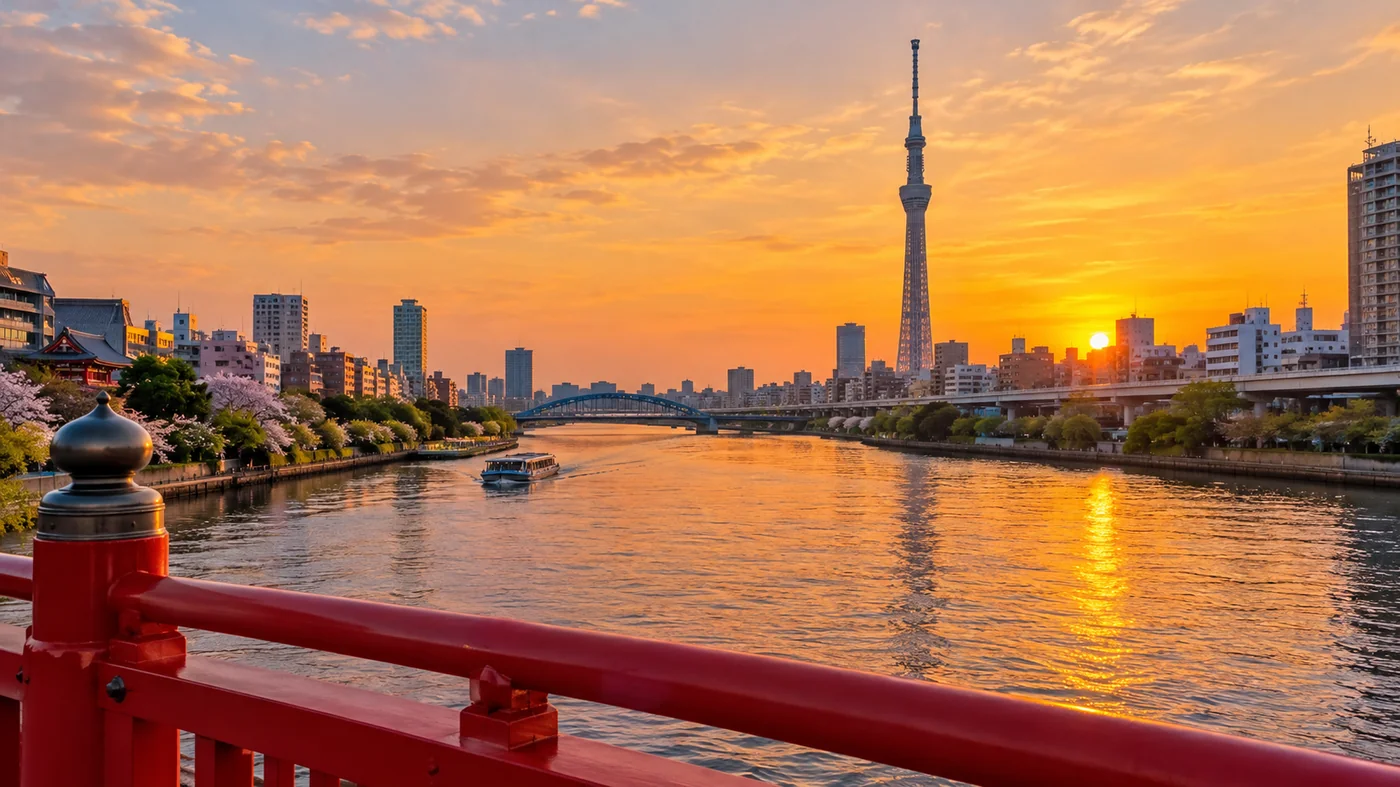
There is no parking at the temple, so skip the car. The Sumida River and the Skytree are a short walk east; the Skytree is about 1.3 km away.
Do you need to book anything for Senso-ji?
No. You only book if you want a guide, a rickshaw, a food tour or a kimono, and every option on this site cancels free up to 24 hours before.
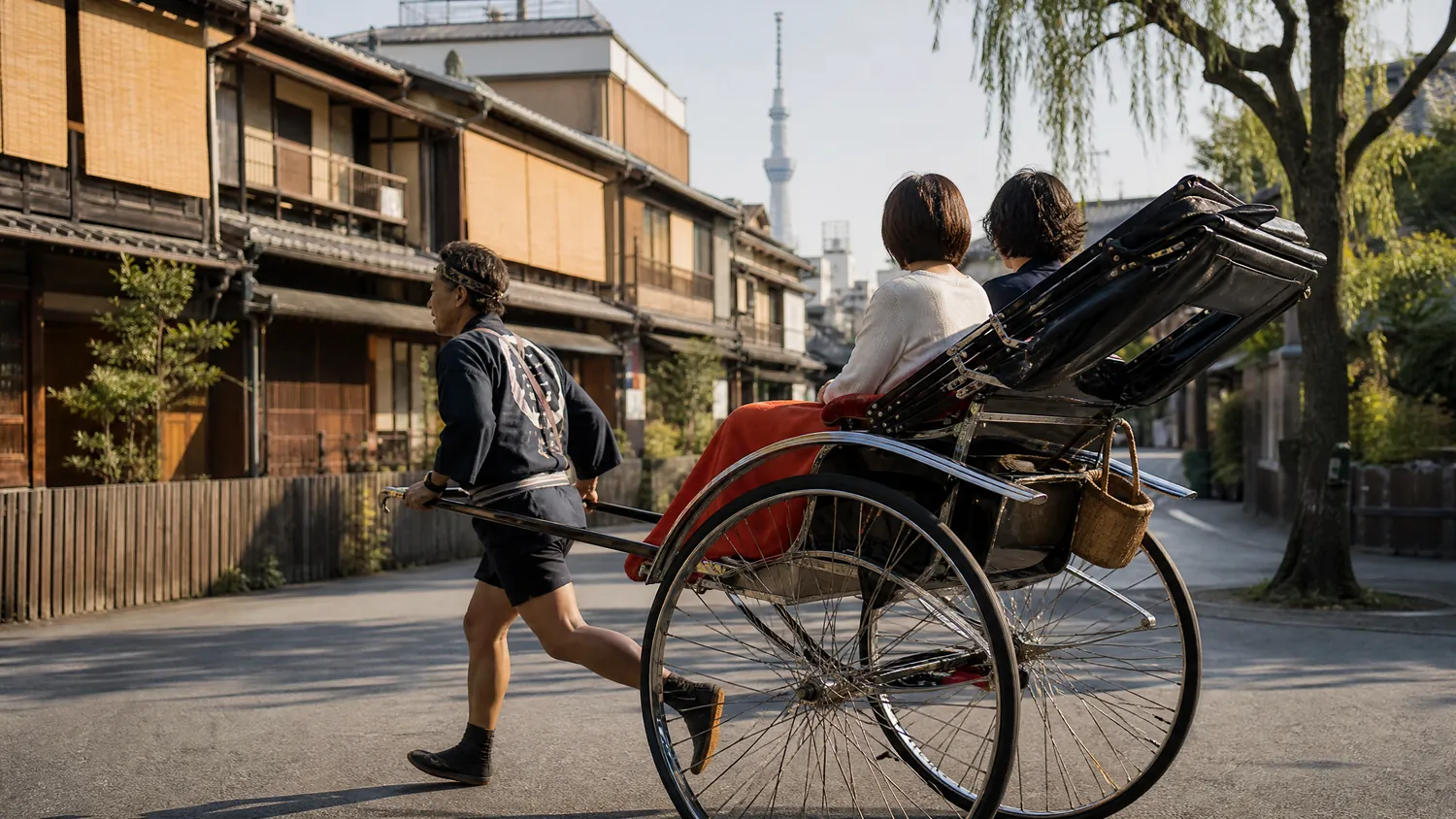
The cheapest way to add context is the budget Asakusa walk at $13: two hours, 20 minutes at the main hall and Yogodo, 40 minutes on Nakamise. The flagship walk costs $30 and keeps the group to 12. If you would rather ride, the rickshaw price guide explains how the per-person price works.
Two hours with a guide for less than a lunch: the budget Asakusa walk, rated 5.0.
Check dates for the budget Asakusa walkFrequently asked questions
Is Senso-ji free?
Yes. The grounds, the gates, Nakamise street and the main hall are free, with no ticket. Only extras cost money, such as a 100-yen omikuji fortune or the rare Denboin garden viewing.
What time does Senso-ji close?
The main hall closes at 17:00 all year. The grounds never close, and the buildings are lit until about 23:00.
Is Senso-ji open on Mondays and holidays?
Yes, every day of the year. Holidays and the New Year week are simply much busier.
What is the best time to visit Senso-ji?
A weekday before 8:00 or after 18:00. Morning gets you inside the hall, evening gets you the lighting.
Ready to book
Choose your tour
Free cancellation up to 24 hours before on every option. Prices are from-prices in USD and move with the season.
Senso-ji & Old Tokyo Walking Tour
- English-speaking local guide
- Small group, 12 people at most
- Nakamise, Senso-ji, Asakusa Shrine, Hoppy Street, Azuma Bridge
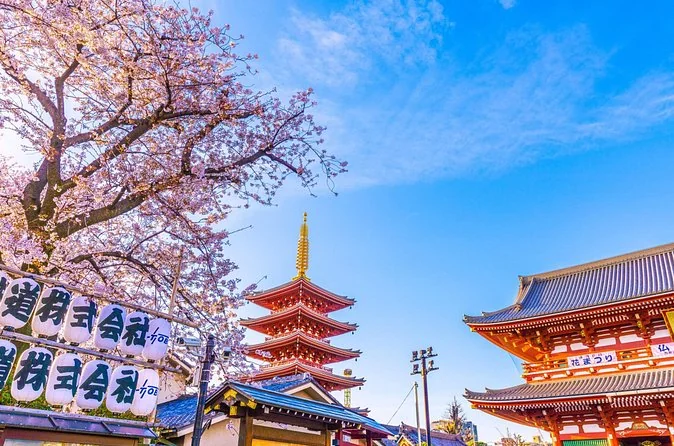
Asakusa & Senso-ji Walking Tour
The cheapest guided walk, sweets tasting on Nakamise
Tokyo Morning Tour: Meiji Shrine, Market & Senso-ji
Meiji Jingu, Tsukiji outer market and an hour at Senso-ji